
What a dermatology consultation covers
Dermatologists are doctors who specialise in the skin, hair and nails, including the conditions that affect them from infancy to old age. At OrnaSkin Madhur Nagar you see Dr. Smit Thakkar (MBBS, DDVL), who examines you, explains what is going on in plain language and agrees a plan with you, whether that is a cream, a course of tablets, a change in routine or, only when it helps, a procedure.
- Acne and acne marks
- Pigmentation and melasma
- Fungal infections (ringworm)
- Eczema and dermatitis
- Psoriasis
- Rosacea and facial redness
- Warts, moles and skin tags
- White patches, including vitiligo
- Acne scars
- Sun damage and early ageing
What the doctor may check. A close look at the skin, often with a dermatoscope (a lighted magnifier). Sometimes a skin scraping, a swab or blood tests.
- Hair fall and thinning
- Pattern hair loss in men and women
- Patchy hair loss (alopecia areata)
- Dandruff and seborrhoeic dermatitis
- Itchy or scaly scalp
- Hair loss after illness, stress or childbirth
- Unwanted facial or body hair, including hair growth linked to PCOS
What the doctor may check. A scalp examination, often with a dermatoscope, a hair-pull test and, when the cause is unclear, blood tests such as iron, thyroid or vitamin levels.
- Fungal nail infection
- Brittle, ridged or splitting nails
- Discoloured nails
- Ingrown or painful nails
- Nail changes with psoriasis or other conditions
What the doctor may check. A look at the nails and nearby skin; sometimes a nail clipping or scraping to confirm a fungal infection before long treatment.
- Hives (urticaria)
- Itchy rashes
- Reactions to cosmetics, hair dye or jewellery
- Prickly heat and sweat rashes
- Insect bite reactions
- Dry, itchy skin in winter
What the doctor may check. Questions about triggers, products and medicines, an examination, and tests if needed to look for an underlying cause.
Examples only, not a complete list. If you are unsure whether a problem needs a dermatologist, ask us on WhatsApp.
Many problems that look alike need very different treatment. A ringworm rash, eczema and psoriasis can all look red and scaly, and the wrong cream can make one of them worse; a steroid cream can even hide scabies for months. That is why a proper diagnosis comes before any treatment, and why we discourage using over-the-counter steroid combination creams. Our monsoon skincare guide explains why ringworm keeps coming back in damp weather, and our guide to hives (urticaria) explains why itchy welts keep returning and how daily treatment controls them. Everyday problems such as the rough “chicken skin” bumps of keratosis pilaris lips that have turned dark, razor bumps and ingrown hairs the tiny white bumps of milia, flaky seborrhoeic dermatitis beside the nose and in the eyebrows, and the red bumps of perioral dermatitis are part of the consultation too.
How a visit to the skin specialist works
- Your story. When it started, what makes it better or worse, what you have tried, your medicines and your general health.
- Examination. A look at the affected area and, often, the rest of the skin, hair or nails, with a dermatoscope where useful.
- Tests, only if needed. For example a skin scraping for fungus or blood tests for hair fall, explained before they are done.
- Diagnosis and plan. What it is, what to expect, how long treatment takes and when to come back, in writing.
- Follow-up. Many conditions need a review to adjust treatment; chronic conditions need a long-term plan.
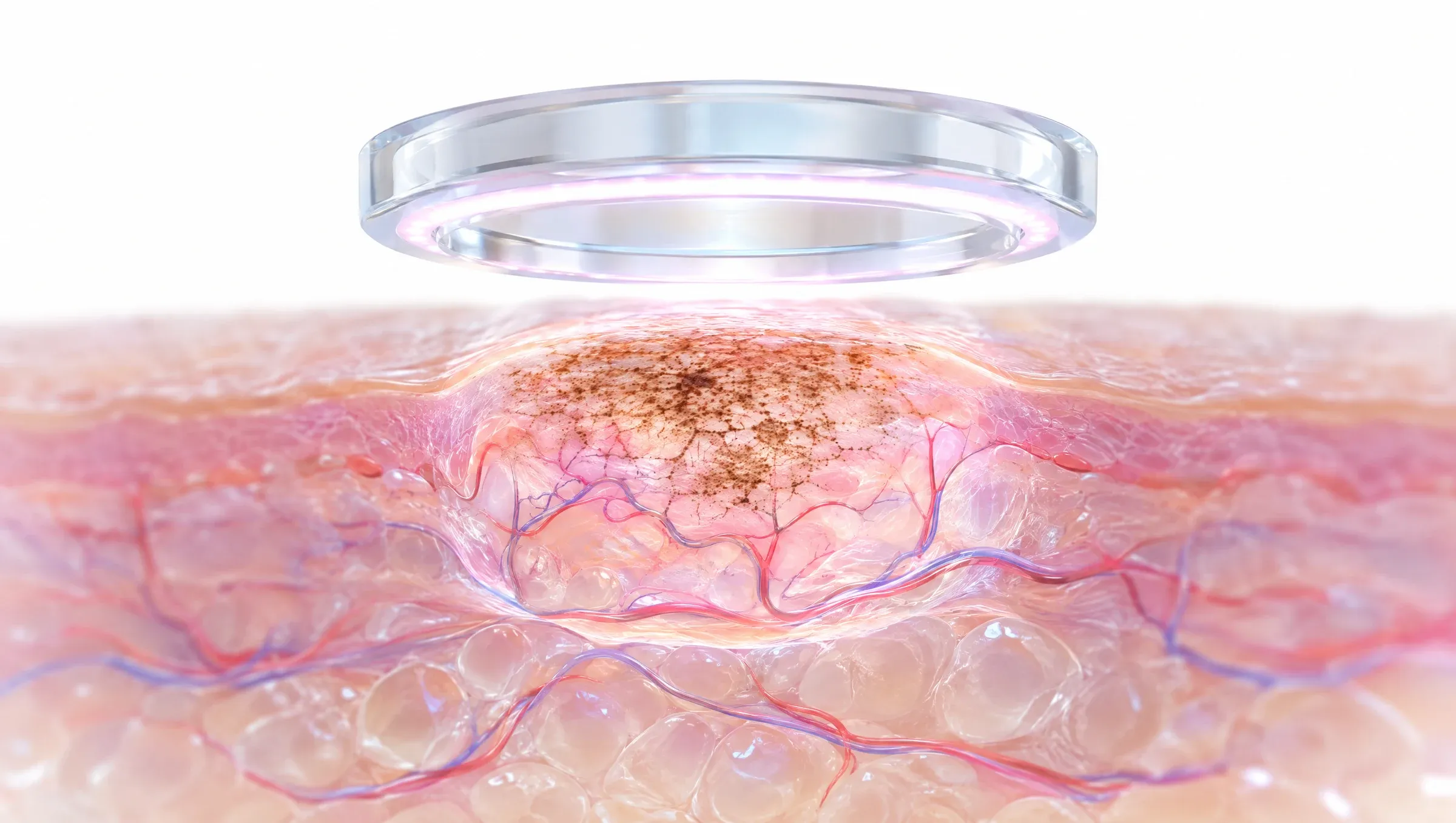
- A dermatoscope is a magnifying lens with its own polarised light.
- The light passes the surface glare, so the pigment pattern just beneath the skin shows clearly.
- Small blood vessels show too, which helps the doctor tell harmless spots from ones that need a closer look.
Skin problems that need prompt attention
See a doctor soon, rather than waiting for a routine appointment, if you have a mole or spot that is new, changing, bleeding or itching; a rash with fever or blisters; painful, spreading redness; sudden, widespread hives with swelling of the lips or eyes, or difficulty breathing (go to an emergency department straight away); or sudden, patchy hair loss.
Who it suits
Anyone with a skin, hair or nail concern, of any age: from acne, pigmentation, rashes, itching, infections and hair fall to questions about moles, skincare routines and which cosmetic treatments are worth considering. It is also the first step before any procedure at OrnaSkin.
Comparing clinics? Our guide on how to choose a dermatologist in Rajkot lists what to check, wherever you go.
Before, during and after
Before
Book a slot and note down your questions. Avoid applying new creams to a rash for a day or two before, if it is safe to, so the doctor can see it as it is. Bring your medicines and old prescriptions.
During
The doctor listens, examines you and explains the diagnosis and the options, with their pros, cons and costs. Ask anything; there are no silly questions about skin.
After
You go home with a written plan. Use treatments exactly as advised, especially steroid creams and antifungals, which need the right strength and duration. Book the follow-up visit, and contact the clinic if something gets worse or you react to a medicine.