
Why acne happens
A pimple forms when four things happen in the same pore. Oil glands, driven by hormones, make extra oil; dead skin cells block the opening; acne bacteria multiply in the trapped oil; and the skin reacts with inflammation. Good treatment acts on several of these at once.
1Extra oil
Hormones make the oil glands larger and busier, often from the teens and with PCOS.
Targeted byRetinoids, hormonal treatment for some women, isotretinoin for severe acne
2Blocked pore
Dead cells stick together and plug the pore: a blackhead or whitehead.
Targeted byRetinoids, salicylic acid peels, gentle extraction
3Bacteria
Acne bacteria multiply in the trapped oil.
Targeted byBenzoyl peroxide, antibiotics for a short course only
4Inflammation
The pore wall gives way and the skin reacts: a red, painful pimple or nodule.
Targeted byAnti-inflammatory medicines, early treatment to prevent marks and scars
Other things can push acne along: hormonal changes such as PCOS, stress and poor sleep, heavy creams and hair oils, some medicines and supplements, and habits such as picking and squeezing. Part of your first visit is finding which of these apply to you.
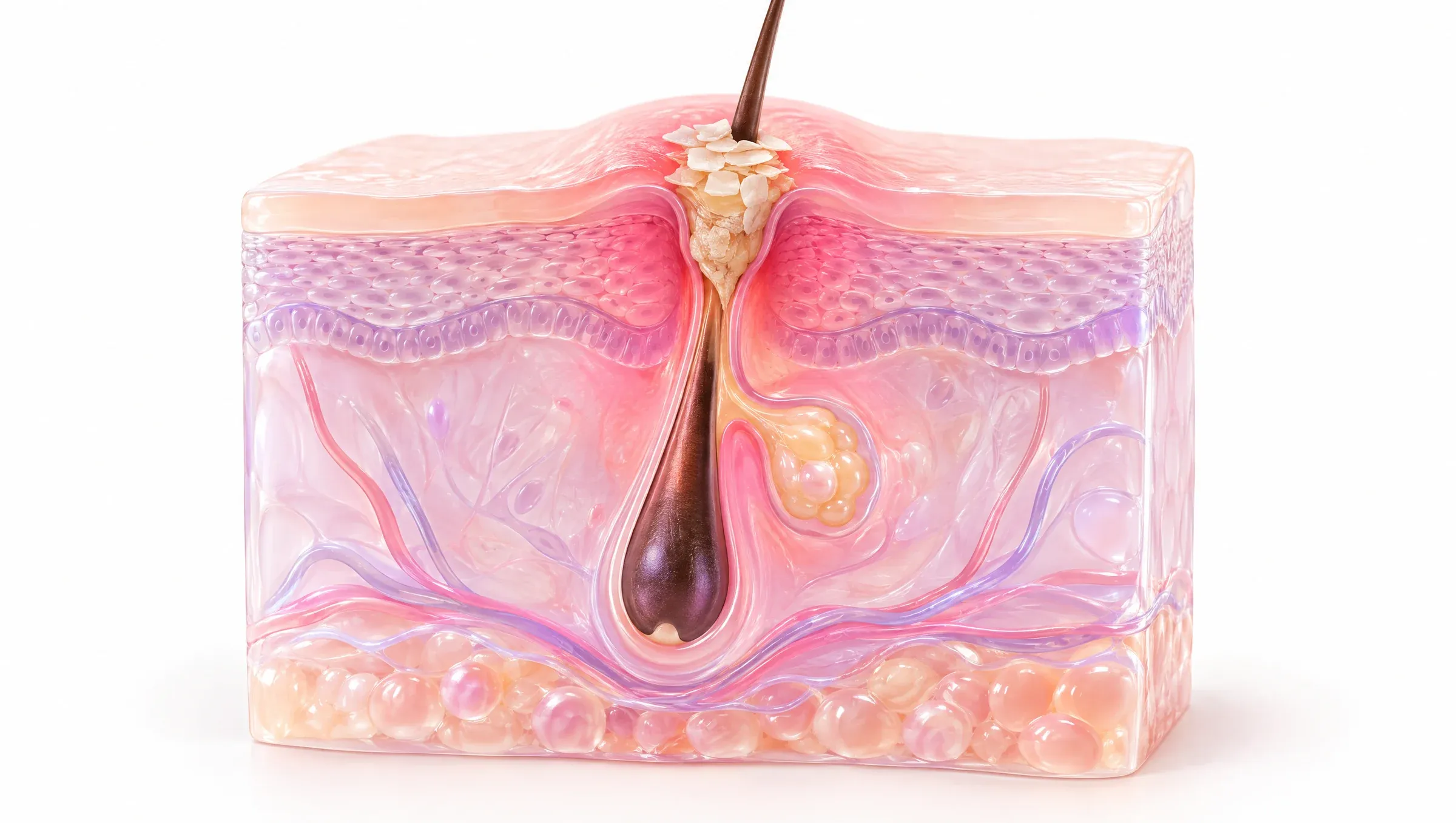
- Oil and dead skin cells block the opening of a pore.
- Acne bacteria multiply in the trapped oil and the skin becomes inflamed.
- Treatment works on several of these steps at once.
Types of acne we treat
- Blackheads and whiteheads (comedonal acne), often on the forehead and nose.
- Red pimples and pus bumps (inflammatory acne), the most common type.
- Deep, painful lumps (nodular or cystic acne), which scar easily and need treatment early.
- Hormonal acne along the jawline and chin, often in adult women.
- Body acne on the chest, shoulders and back (see back and chest acne).
- Acne caused by products, steroid creams or masks, which settles once the trigger is removed.
How we treat it
At your consultation, the dermatologist examines your skin, grades the acne, asks about your periods (for women), your skincare, medicines and diet, and explains the plan, including how long it is likely to take.
1. The right skincare
A gentle cleanser, an oil-free moisturiser and a sunscreen that does not block pores. We look through what you already use and remove anything that may be feeding the acne.
2. Prescription treatment
The foundation for most people:
- Creams and gels such as retinoids (to unblock pores), benzoyl peroxide (against bacteria) and azelaic acid (also helps marks).
- Tablets for a limited time when acne is moderate or widespread: antibiotics as a short course, or hormonal treatment for some women.
- Isotretinoin for severe, scarring or stubborn acne. It is very effective, and we monitor it with blood tests and clear advice, including strict pregnancy prevention.
3. In-clinic treatments
These speed up clearing and help the skin look calmer sooner:
- Chemical peels. Salicylic acid and other medical peels loosen blocked pores, calm oil and fade marks. Usually a session every two to three weeks. See chemical peels.
- Medi-facials. Our Advance Medi Facial is a medical-grade facial with gentle exfoliation, extraction and calming serums chosen for acne-prone skin. See hydra facial and medi-facials.
- Comedone extraction, done gently and hygienically, never forced.
- Carbon laser peel for oily, congested skin. See carbon laser peel.
4. Marks and scars, once acne is controlled
When breakouts have settled, we treat what they left behind: pigmentation and dark marks, and acne scars with lasers, MNRF and subcision.
What results to expect
Weeks 1–4
Skincare and medicines start. Some people have a mild flare or dryness as retinoids settle in.
Weeks 4–12
Fewer new pimples; peels help pores look clearer and less oily.
Months 3–4
Most acne under control. Plans step down to fewer medicines.
Ongoing
A simple maintenance routine keeps breakouts away; marks and scars can now be treated.
Acne is controlled rather than cured, and some people need maintenance for years. Results vary with the type of acne and how closely the plan is followed.
How we photograph progress and share results, only with written consent, is explained on our results page.
Who it suits
Teenagers and adults with any type of acne, including adult women with hormonal acne and people with acne on the back or chest. Acne in children younger than about nine, sudden severe acne, or acne with other body changes needs a proper medical check, which we arrange.
If you are looking for an acne specialist in Rajkot, a dermatologist is the doctor trained to treat every type and stage of acne, and the marks and scars it can leave.
If you are pregnant, planning a pregnancy or breastfeeding, tell us: several acne medicines are avoided then, and we choose safe options.
Before, during and after a peel for acne
Before
Stop retinoid creams and scrubs two or three days before, as advised. Avoid waxing, threading and strong sun on the area. Tell us about any cold sores, recent isotretinoin or allergies.
During
The skin is cleansed and degreased, and the peel is applied for a few minutes while we watch the skin closely. You may feel tingling or warmth. It is then neutralised or removed, and a calming cream and sunscreen are applied. The visit takes about half an hour.
After
Mild redness for a few hours and light flaking for two or three days are common. Use a gentle moisturiser and sunscreen, do not pick at flakes, and restart your acne creams when we say.
Risks and how we minimise them
Medicines can cause dryness, irritation or, with tablets, side effects that we explain and check for. Peels can cause temporary redness, stinging and, on Indian skin, darkening if done too strongly or followed by sun exposure. We choose the peel and strength for your skin type, test sensitive skin first, and give clear aftercare. Isotretinoin is prescribed only with monitoring and full counselling.