
How PRP for hair works
In pattern hair loss, follicles slowly shrink: each new hair grows back thinner and shorter, and the growing phase shortens. Platelets, the blood components that start healing, carry growth factors that encourage blood supply, cell growth and a longer growing phase. PRP concentrates these platelets from your own blood and places them in the scalp where follicles are weakening.
A small blood sample
About as much as a routine blood test is taken from your arm, using a sterile, single-use kit.
Spun to concentrate platelets
A centrifuge separates the blood. The golden plasma layer, rich in platelets and their growth factors, is drawn off.
Placed where hair is thinning
Fine injections place the PRP in the scalp, where growth factors support weaker follicles over a course of sessions.
At OrnaSkin, PRP is usually given as Meso-PRP: platelet-rich plasma combined with mesotherapy, a blend of nutrients and actives for the scalp, as part of a wider hair fall treatment plan. The mesotherapy blend and the PRP kit we use are chosen for each patient and recorded in your file.
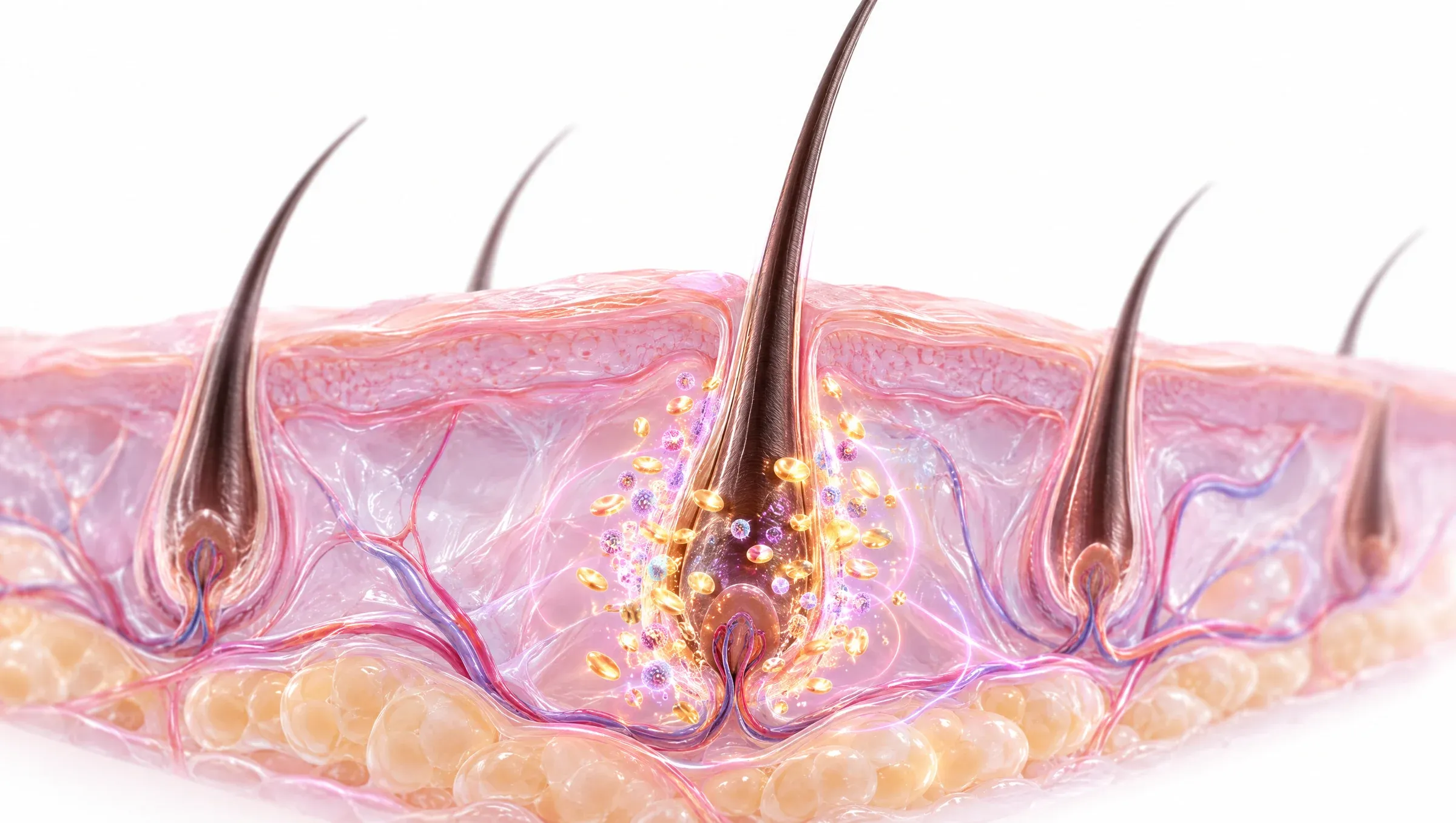
- Your own blood is spun to concentrate the platelets.
- Placed in the scalp, they release growth factors around the follicles.
- These signals can support thinning follicles; changes build over months.
Who it suits
PRP suits men and women with pattern thinning (a widening parting, a thinning crown or a receding hairline) while follicles are still alive, and some people with long-standing diffuse shedding once its cause has been treated. It works best early, and alongside medicines where these are appropriate.
It doesn’t regrow hair on areas that have been smooth and bald for years, and it isn’t the first step for patchy hair loss (alopecia areata) or for shedding caused by low iron, thyroid problems or recent illness: those need the cause treated first. That is why every plan starts with a consultation, a scalp check and, often, blood tests.
PRP is not given during pregnancy or breastfeeding, with a low platelet count or another blood disorder, while taking blood-thinning medicines (unless your doctor agrees), with an active scalp infection, or during treatment for cancer.
What results to expect
First sessions
Scalp tenderness for a day after each session; no visible change yet.
2–3 months
Shedding usually slows.
4–6 months
Hair looks thicker and fuller; we compare standardised photos.
Maintenance
2–3 sessions a year help keep the improvement.
Results vary with the cause and stage of hair loss, age, hormones and whether medicines are used too. Some people respond strongly; others need a different plan.
Before, during and after
Before
Wash your hair on the day, eat a normal meal and drink plenty of water. Avoid alcohol and painkillers such as aspirin or ibuprofen for a couple of days before, unless prescribed; tell us about all your medicines, especially blood thinners. Avoid hair gels and sprays on the day.
During
A small blood sample is taken from your arm and spun in a centrifuge to concentrate the platelets. The scalp is cleaned and numbed, and the PRP with mesotherapy is placed in the thinning areas with fine injections. The whole session takes about 45 minutes.
After
- Mild tenderness or a dull ache in the scalp can last a day.
- Avoid washing your hair, hair colour, swimming and heavy exercise for the rest of the day.
- Don’t take anti-inflammatory painkillers for a couple of days unless prescribed; paracetamol is fine if needed.
- You can go back to work straight away.
Risks and how we minimise them
PRP uses your own blood, so allergic reactions are very unlikely. Possible effects include temporary scalp tenderness, swelling, a mild headache, small bruises and pinpoint bleeding, and, rarely, infection or a brief faint feeling when the blood sample is taken.
We reduce these risks with sterile, single-use kits, careful cleaning of the scalp, numbing for comfort, and checking your medical history and medicines before treatment. Progress is reviewed with standardised photos, so the plan can change if PRP isn’t helping enough.