A large part of a good laser hair removal result happens outside the treatment room. What you do in the weeks before a session, and the day or two after, affects both safety and how well the hair responds. Here is a practical guide.
How the laser works, in one paragraph
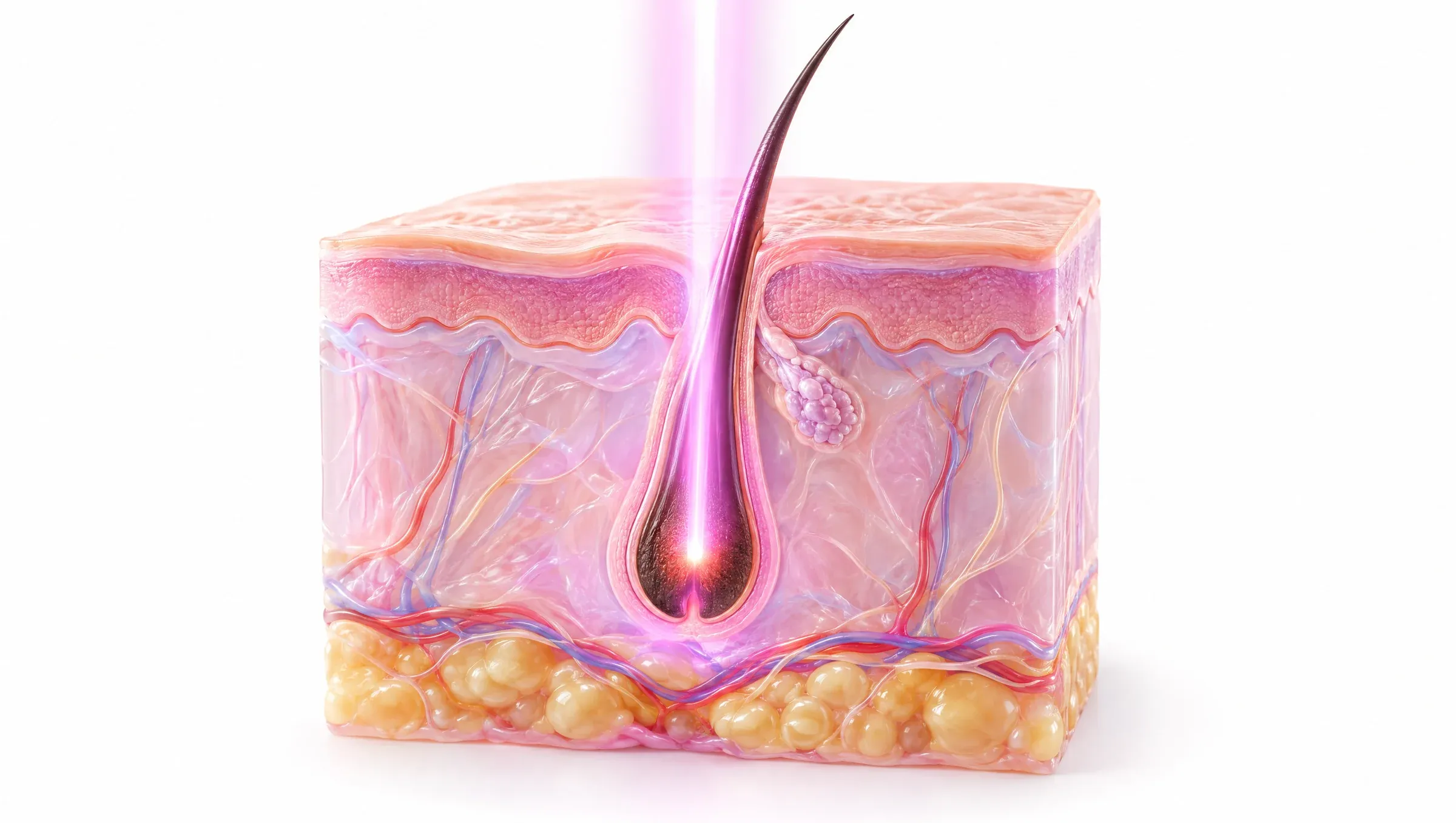
The laser’s light is absorbed by the pigment in the hair, which heats up and damages the follicle that grows it. Only hairs in their active growing phase respond, which is why you need a course of sessions, and why the hair root has to be present in the skin on the day.
At your consultation
The doctor checks your skin type, the colour and thickness of your hair, the area, and any hormonal causes of excess hair (such as PCOS). You will be asked about medicines, recent tanning, cold sores, keloids and pigment problems. A test patch may be done to fine-tune settings, especially on darker or sensitive skin.
The weeks before
- Stop waxing, threading, plucking and epilating for about four weeks before your first session and throughout the course. Shaving and trimming are fine.
- Avoid tanning: sunbathing, tanning beds and fake tan. Use sunscreen daily on exposed areas.
- Tell the doctor about medicines, including antibiotics, acne tablets and anything that makes skin sun-sensitive. Some need a pause or a different timing.
- If you get cold sores and are having the upper lip treated, mention it: a preventive medicine may be advised (our post on cold sores explains why procedures near the lips can trigger a flare).
The day before and the day itself
- Shave the area the day before (or as advised). Long hair on the surface absorbs energy and can singe; a shaved surface lets the energy reach the root.
- Arrive with clean skin: no make-up, deodorant, perfume or creams on the area.
- Wear loose, comfortable clothing over body areas.
What a session feels like
Most people describe warmth or a light, prickly sensation. With in-motion lasers such as the Motus AX and Soprano ICE, energy builds gradually, which many find more comfortable than older single-pulse lasers. Cooling is used throughout. Tell the team if anything feels too hot.
Straight afterwards
It is normal to have:
- redness and small bumps around the follicles, like goosebumps, for a few hours;
- a feeling of warmth, like mild sunburn, for a few hours.
To help it settle:
- apply a cool compress and a gentle, fragrance-free moisturiser or the cream you are given;
- avoid heat for 24 to 48 hours: hot showers, steam, sauna, hot yoga and heavy exercise;
- avoid scrubs, peels and strong actives such as retinoids on the area for a few days;
- use sunscreen daily on treated skin that sees the sun.
In the weeks after
Treated hairs shed over one to three weeks. Then comes a smoother phase before the next batch of hairs grows. Sessions are timed to catch that next batch, usually four to eight weeks apart depending on the area.
When to contact the clinic
Call or message us if you notice blistering, crusting, increasing pain, swelling or dark patches. These are uncommon, but early advice helps them heal well.
Read about the treatment itself on our laser hair removal page and about the Motus AX laser.